Bones and teeth
Main mineral in bone and enamel; also muscle and nerve context. Food: dairy, calcium-set tofu, leafy greens. Bone broth is a weak source. Clinical bone disease belongs with a physician. Deep map: Calcium.
Two teaching buckets: seven major minerals (typically >100 mg/day) and eight common essential traces (typically <100 mg/day). Read the map first. Food first. Capsules only when the form is honest.
Overview
CytoDaily maps minerals as nutrients you eat. The milligram cutoff below is a teaching map, not a personal dosing table. Copper vessels live on CytoAura. Disease shopping aisles live nowhere here.
Nutrition teaching usually splits essential minerals by daily need. Major minerals (macrominerals) are the seven typically needed at more than about 100 mg per day: calcium, phosphorus, potassium, sodium, chloride, magnesium, sulfur. Trace minerals are needed in much smaller amounts — typically under 100 mg per day. The eight common essentials we map here: iron, zinc, iodine, selenium, copper, fluoride, chromium, molybdenum. Shortfalls still matter. Excess still matters.
A mixed plate beats a random multi. The practical pattern is fruit and vegetables, nuts and seeds, and meat, eggs, or dairy (or a fortified plant equivalent). That pattern covers much of the seven-plus-eight map for many adults. Do not start a mineral stack because a bottle is on sale. If meals are thin or a lab shows a gap, a clinician can guide a targeted supplement — not a DIY handful.
Nothing on this aisle diagnoses, treats, or prevents disease. Pregnancy, infants, kidney disease, thyroid disease, Wilson disease, hemochromatosis, and unexplained anemia belong with a clinician. “More is better” is false. Extra calcium and extra iron are not harmless; iron overload can injure the liver; high calcium and kidney-stone history belong in clinic. Sodium is the mineral most adults already overeat — the job is usually to cut back, not to add a capsule. Selenium, fluoride, and chronic high zinc can also harm when overdone.
Nutrient map
Pick the bucket first — then the mineral that matches what you are actually trying to understand.
Seven majors, typically >100 mg/day — Ca, P, K, Na, Cl, Mg, S.
View major → Family 02Eight common traces, typically <100 mg/day — Fe, Zn, I, Se, Cu, F, Cr, Mo.
View trace → Live pickMajor mineral focus — five form-honest shortlist lanes, including D3+K2 companions.
View calcium → Live pickMajor mineral with four form-honest shortlist lanes.
View magnesium →Family 01 · Seven major minerals
These seven are the macrominerals. Food patterns cover most adults. Capsules are a second layer, and only after the salt is named. Calcium has five live form lanes further down; magnesium has four.
Teaching cutoff. Major vs trace is a map of usual daily need, not a prescription. Actual targets vary by age and sex. Count food first, then any tablet.
Main mineral in bone and enamel; also muscle and nerve context. Food: dairy, calcium-set tofu, leafy greens. Bone broth is a weak source. Clinical bone disease belongs with a physician. Deep map: Calcium.
Pairs with calcium in bone mineral and in energy metabolism (ATP). Food: meat, eggs, fish, dairy, whole grains, legumes. Mixed diets rarely run short; extra phosphorus capsules are not a CytoDaily aisle.
Often discussed with heart rhythm, muscle contraction, and fatigue when intake is low. Food: bananas, potatoes, beans, oranges, spinach, yogurt. High-dose pills need clinical care with kidney disease.
Essential for fluid balance; everyday intake is already high for most adults. Food: salt, soy sauce, pickled and packaged foods. The job is usually to reduce, not to add a capsule. Sweat packets live under Fuel.
Works with sodium in fluid and acid–base context; gastric acid is hydrochloric acid. Mainly from table salt. No CytoDaily supplement aisle.
Cofactor in hundreds of reactions; often discussed with muscle cramps. Food: greens, nuts, seeds, whole grains, legumes. Seller sleep / calm language stays on listings. Deep map: Magnesium.
Built into sulfur amino acids that help make keratin in hair and nails. Meat, eggs, dairy, and legumes usually cover it. No need to chase a sulfur capsule on a mixed diet.
Live form lanes for calcium and magnesium sit below. Phosphorus, potassium, sodium, chloride, and sulfur stay food-map only.
Major mineral · Live picks
What it is. A major mineral that makes up most of bone mineral and also shows up in muscle contraction, nerve signaling, and clotting context. Many adults under-eat dairy or calcium-set plant foods; that is a plate issue before it is a tablet aisle.
Food first. Milk, yogurt, cheese; tofu set with calcium sulfate; fortified plant milks; leafy greens (absorption varies). Bone broth is usually a weak calcium source compared with a glass of milk.
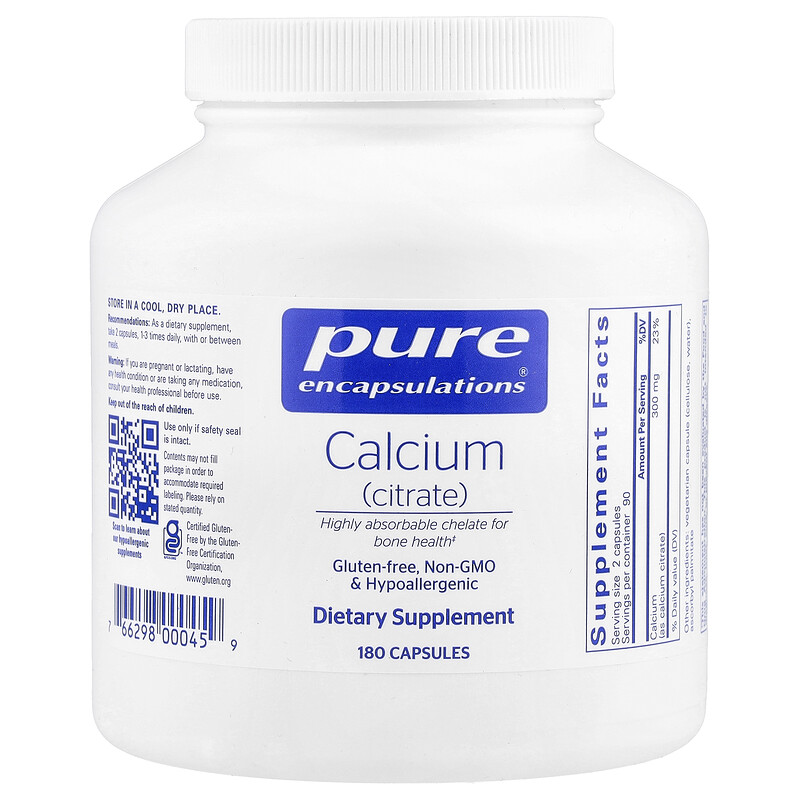
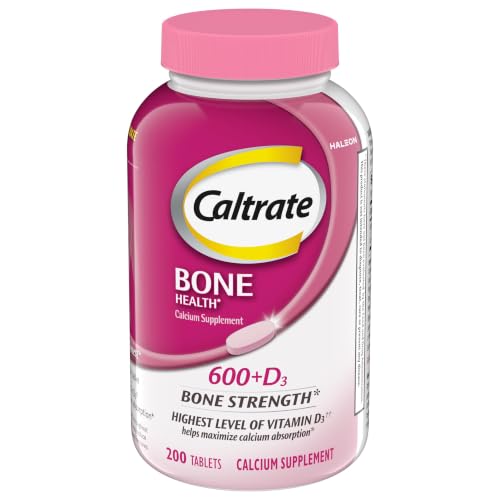
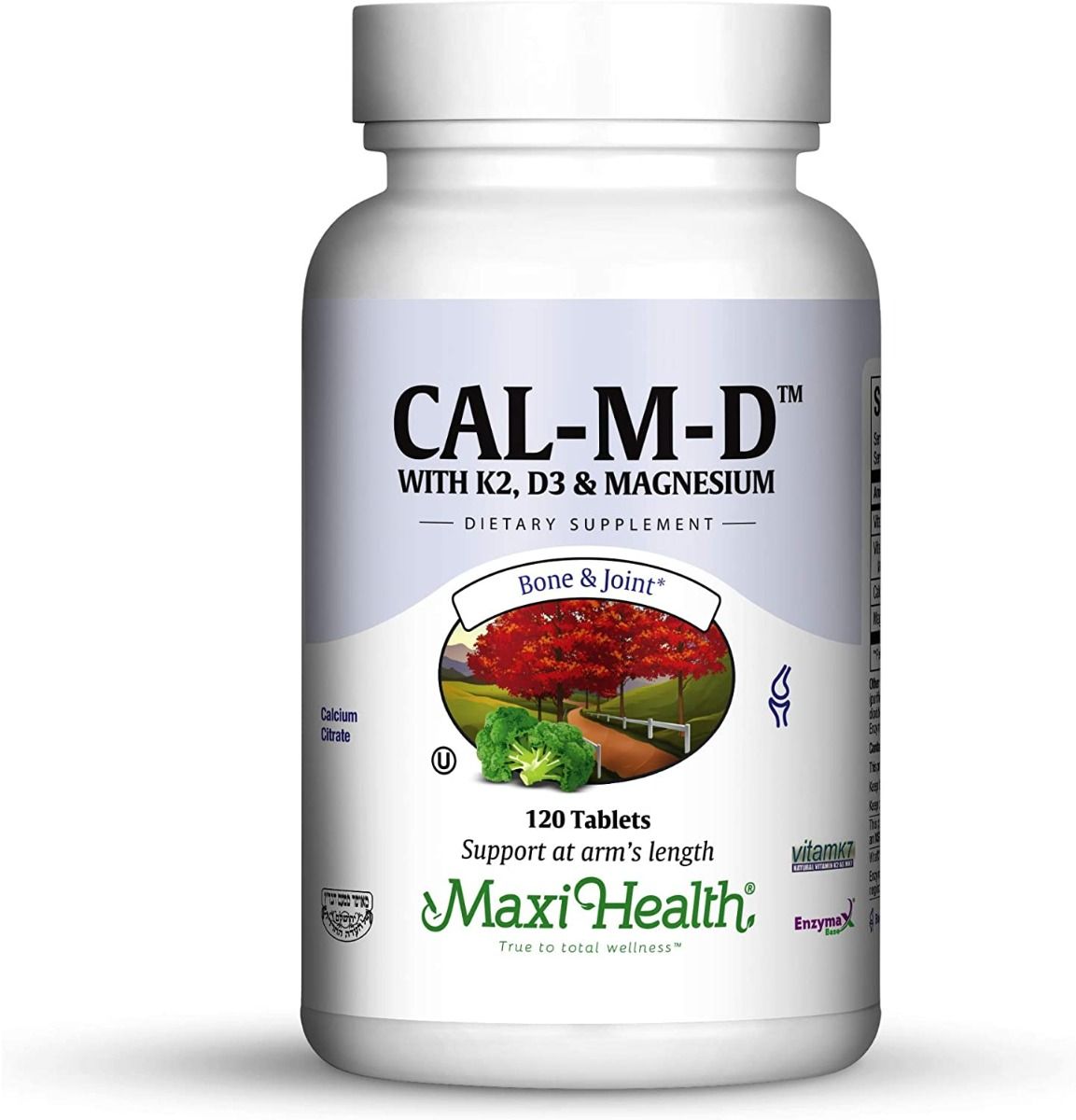
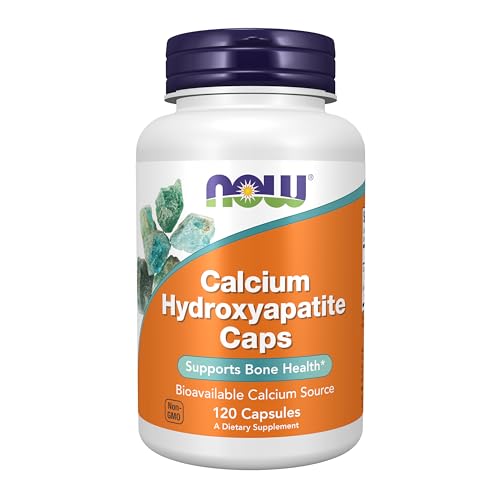
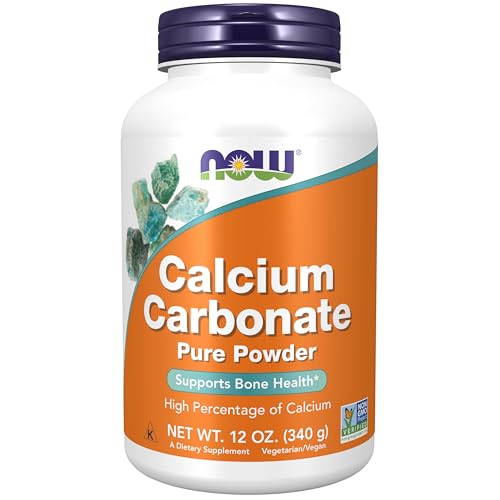
Forms we shortlist. Citrate capsules, grocery carbonate with D3, a calcium-primary companion stack (D3 and K2 named on the same bottle), microcrystalline hydroxyapatite (MCHA), and carbonate powder. The companion-stack job is calcium first — D3 and K2 stay label companions, not a Vitamins shortlist. The live US pick is Maxi-Health Cal-M-D (citrate + D3 + K2 + magnesium). On CN the same job often adds CPP — ACTASK is a common example; Tmall stays off until ICP. Kitchen-sink Plus Minerals (unnamed salts, iron dumps) stay off. Caltrate Plus Minerals stays off.
Boundaries. This is not an osteoporosis clinic. Excess calcium and kidney-stone history belong with a clinician. Carbonate with meals; citrate can sit with or between meals. MCHA is a bone-matrix form, not a drug. D3 or K2 on a calcium bottle is a companion — the vitamin maps still live on Vitamin D and Vitamin K. K and anticoagulant regimens need medical guidance. Do not stack all five lanes. Count magnesium if the calcium bottle already carries it.
Dairy, calcium-set tofu, fortified plant milks, sardines with bones, leafy greens.
Name the salt, elemental milligrams, and whether the dose wants food. Count every bottle plus the plate.
Bone density, magnesium, vitamin D, vitamin K — maps only.
Live picks
Five form lanes: citrate capsules, grocery carbonate + D3, calcium + D3 + K2 companions, MCHA, carbonate powder. Not a bone clinic.
Major mineral · Live picks
What it is. A major mineral involved in muscle and nerve function, energy metabolism, and bone mineral context. Many adults under-eat magnesium-rich plants; that is a food pattern issue before it is a powder aisle.
Food first. Leafy greens, nuts, seeds, whole grains, legumes, dark chocolate. Water hardness varies by region and is not a dosing plan.
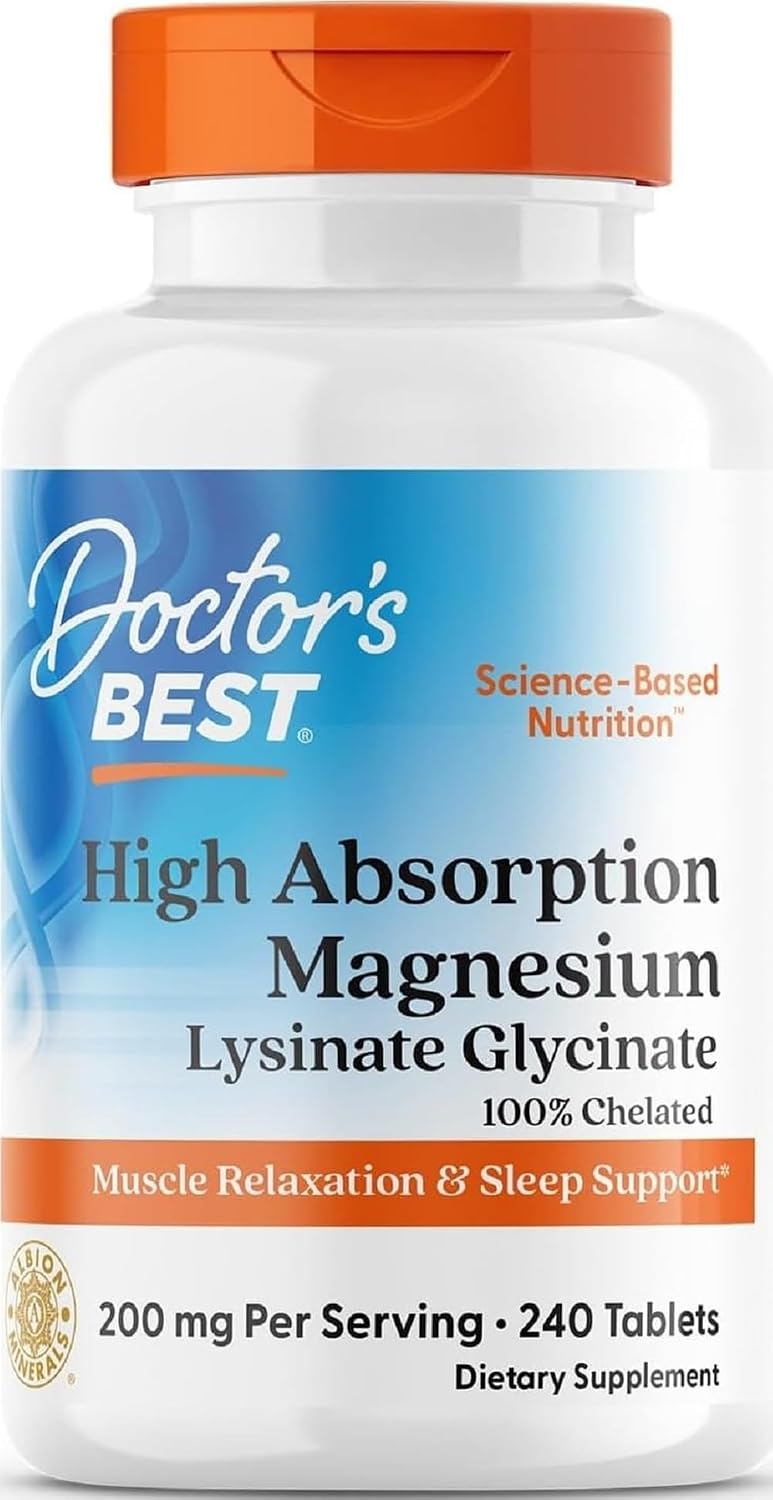
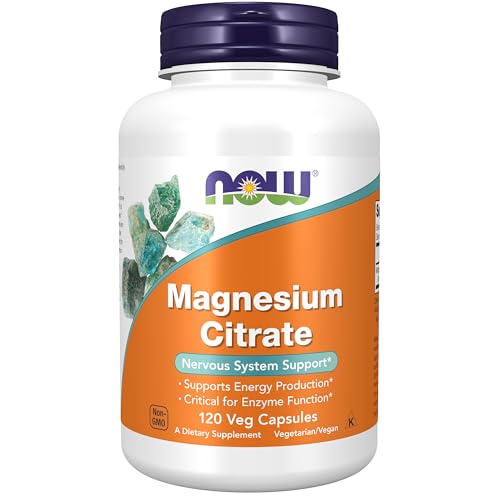
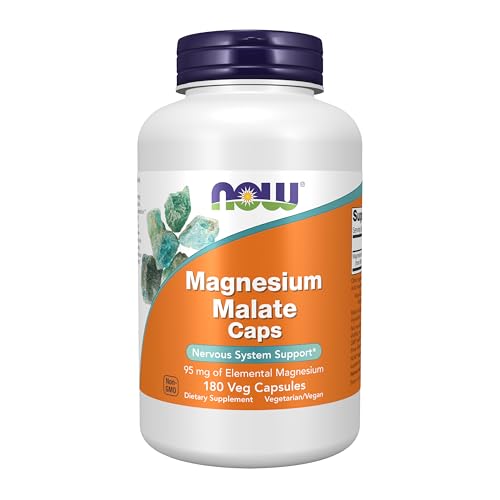
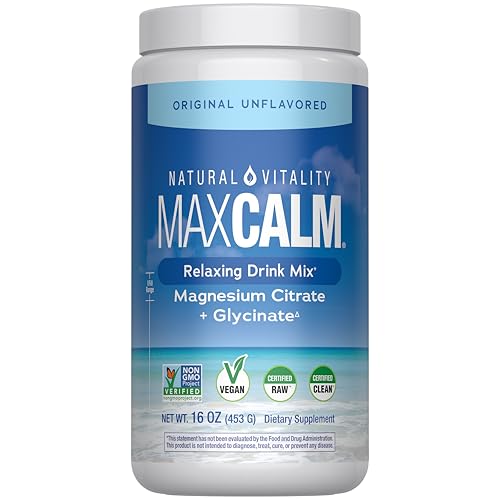
Forms we shortlist. Glycinate chelate, citrate capsules, malate capsules, and a citrate drink powder. Oxide stays off this magnesium shortlist. Magnesium sitting on a calcium companion-stack (Cal-M-D uses oxide) is a calcium-lane companion, not a substitute for these four.
Boundaries. Forms differ (glycinate, citrate, oxide, etc.) in absorption and gut effect. Kidney disease changes magnesium handling — clinician first. Count ~500 mg magnesium if Cal-M-D is already on the counter before adding a glycinate or citrate bottle. Seller sleep / calm language stays on the listing — not a CytoDaily claim.
Outlive: magnesium briefing · vessels — food first, then magnesium and dietary nitrate · brain — meals first, then B12 and fish oil · bone density — calcium, D, and K · muscle — protein then creatine (magnesium when the plate is thin). Form map here; not a deficiency shop.
Spinach and greens, almonds, pumpkin seeds, beans, oats, cacao.
Name the salt, elemental magnesium, and GI tolerance. Oxide is common and often poorly absorbed.
Muscle, bone density, brain, heart — maps only.
Live picks
Four form lanes: glycinate chelate, citrate capsules, malate capsules, citrate powder. Oxide stays off this list. Count magnesium already on a calcium companion-stack.
Family 02 · Eight common traces
These eight are the common essential traces we map on CytoDaily. Milligrams are small; mistakes still cost. Zinc, copper, iodine, selenium, chromium, and molybdenum have live form lanes. Iron stays food-only. Fluoride stays off the capsule aisle.
Teaching cutoff. Trace does not mean optional. It means the daily need is small. A mixed plate of vegetables, nuts, and meat, eggs, or dairy covers most of this list. Blind capsules are the wrong first move — especially iron.
Core of hemoglobin and oxygen use. Shortfall is often discussed with anemia, especially in menstruating adults. Excess iron can injure the liver. Labs and a clinician first. Deep map: Iron (food only).
Hundreds of enzymes; often discussed with taste, appetite, skin, and wound context. Food: oysters, meat, pumpkin seeds, legumes. Not an immunity-cure aisle. Deep map: Zinc.
Needed to make thyroid hormone. Food: iodized salt, fish, dairy, eggs; seaweed can overshoot. Thyroid disease stays with a clinician. Live form lanes: Iodine shortlist.
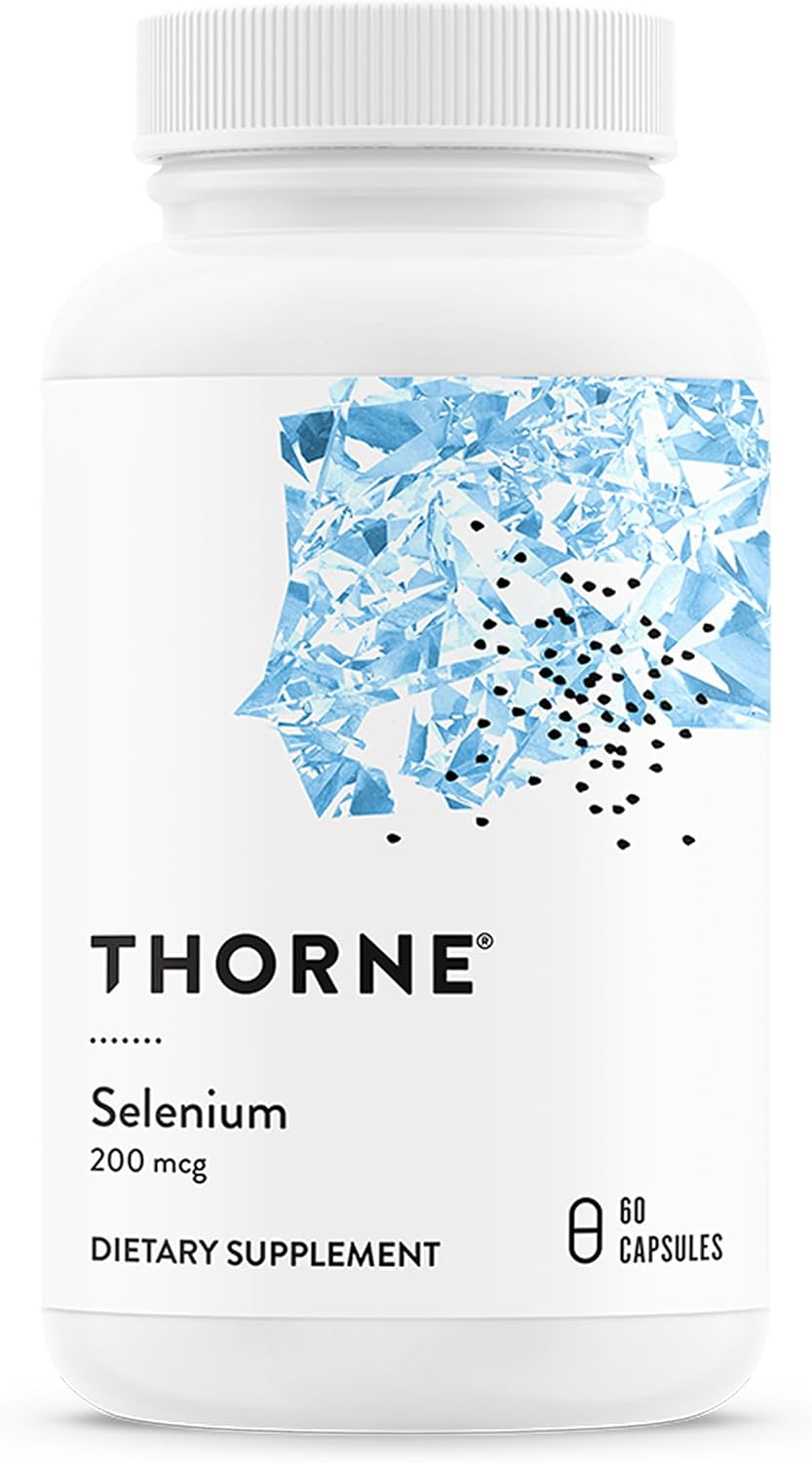
Used in enzymes such as glutathione peroxidase. Food: Brazil nuts (one or two can already be a lot), seafood, meat, eggs. Excess selenium is toxic. Live form lanes: Selenium shortlist.
Helps iron use, connective tissue, and nerve enzymes. Food: liver, shellfish, nuts, seeds, cacao. Vessels are not a dose. Deep map: Copper. Tools: CytoAura.
Often discussed with enamel and cavities. Usual sources are fluoridated water and toothpaste, not a CytoDaily capsule. Excess can cause fluorosis and is not benign. No supplement aisle here.
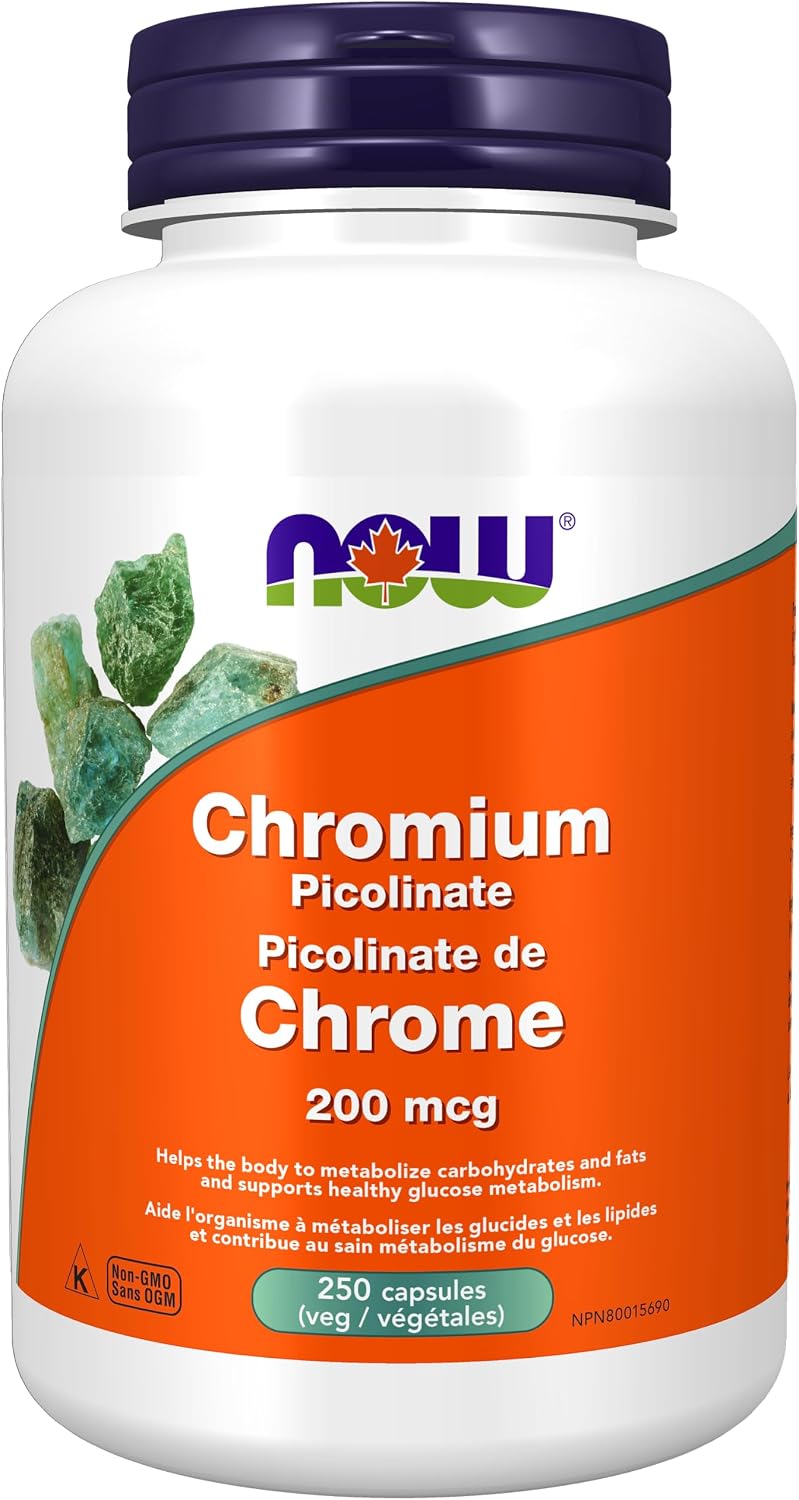
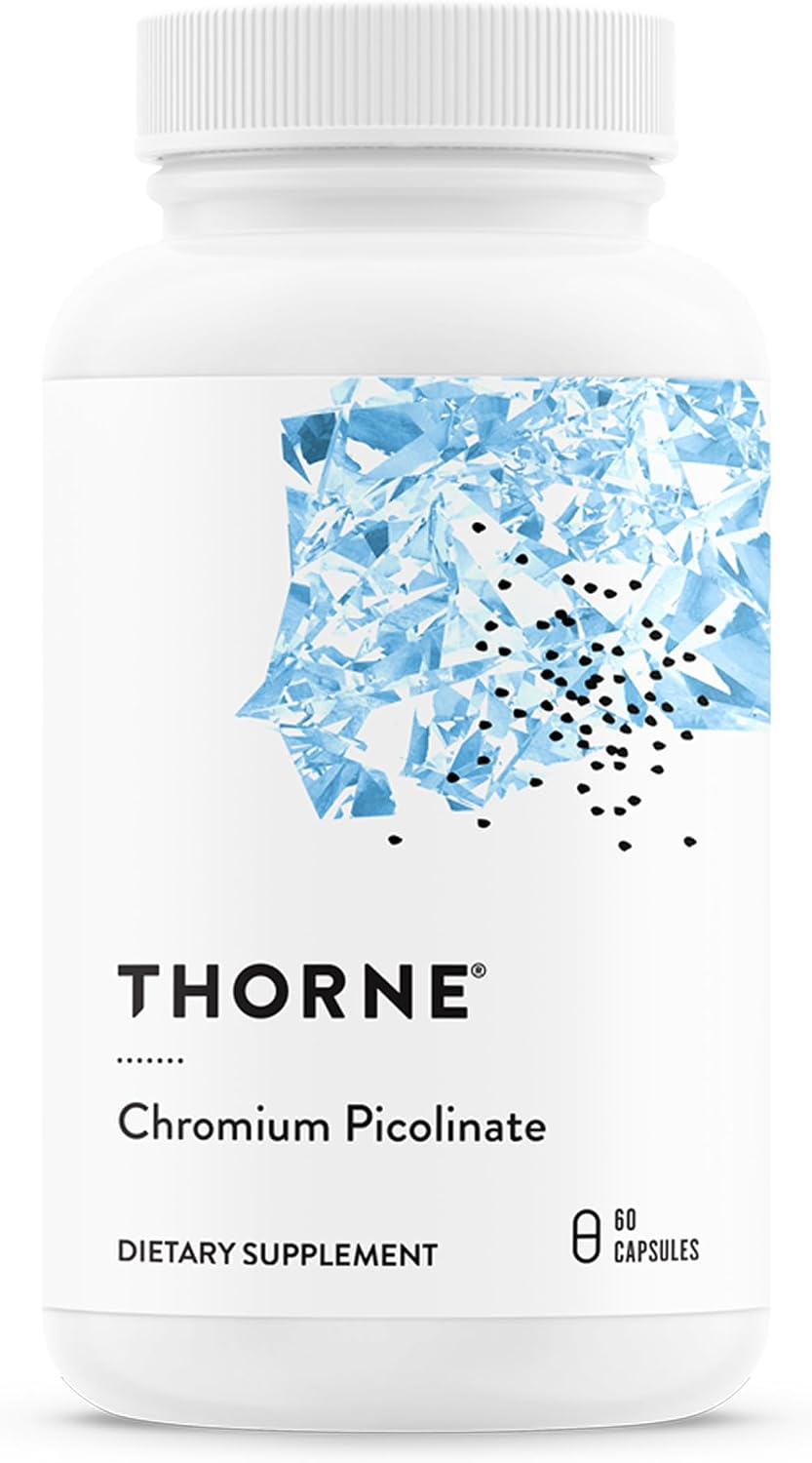
Sometimes mapped next to insulin signaling. Food: whole grains, broccoli, meat. This is not a blood-sugar or diabetes aisle. Live form lanes: Chromium shortlist.
Cofactor for a small set of enzymes. Food: legumes, grains, nuts. Mixed diets rarely fall short. Live form lanes: Molybdenum shortlist.
Some textbooks also list manganese. CytoDaily keeps it food-first and off this primer’s eight. Live traces below: zinc, copper, and iron (food only).
Trace mineral · Live picks
What it is. A trace mineral required for hundreds of enzymes — often discussed alongside immune signaling, skin barrier, and taste. CytoDaily maps food and form; it does not sell “immunity cures.”
Food first. Oysters, beef and other meats, pumpkin seeds, chickpeas, yogurt, and fortified cereals. Phytates in some plant foods reduce absorption; variety matters more than a single superfood claim.
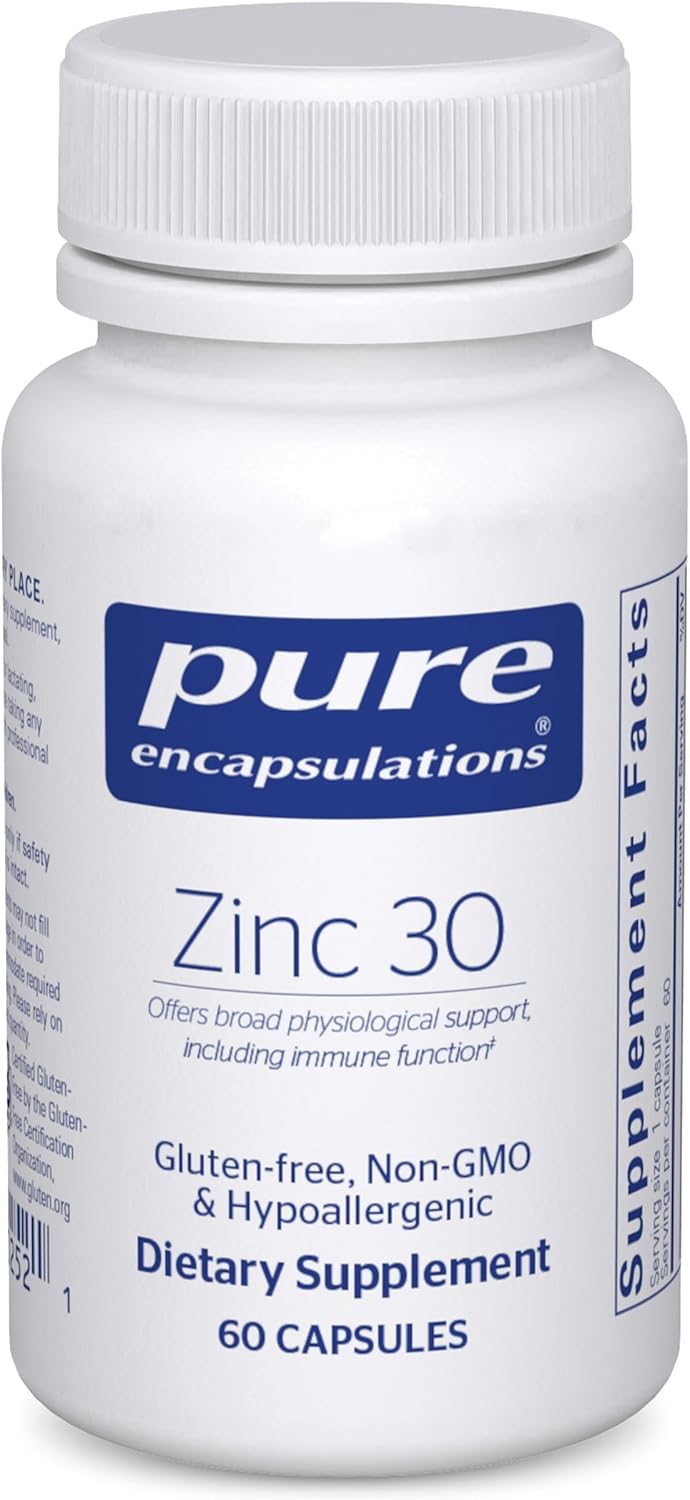
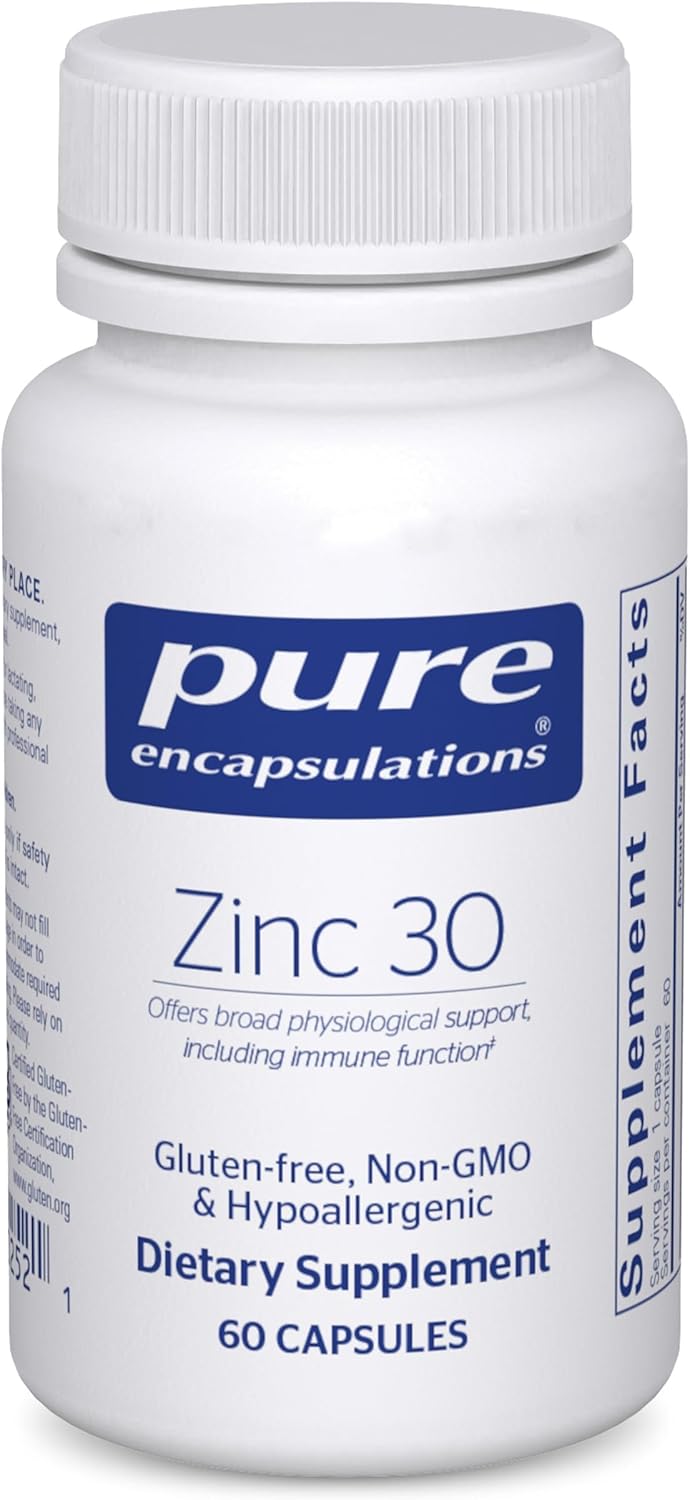
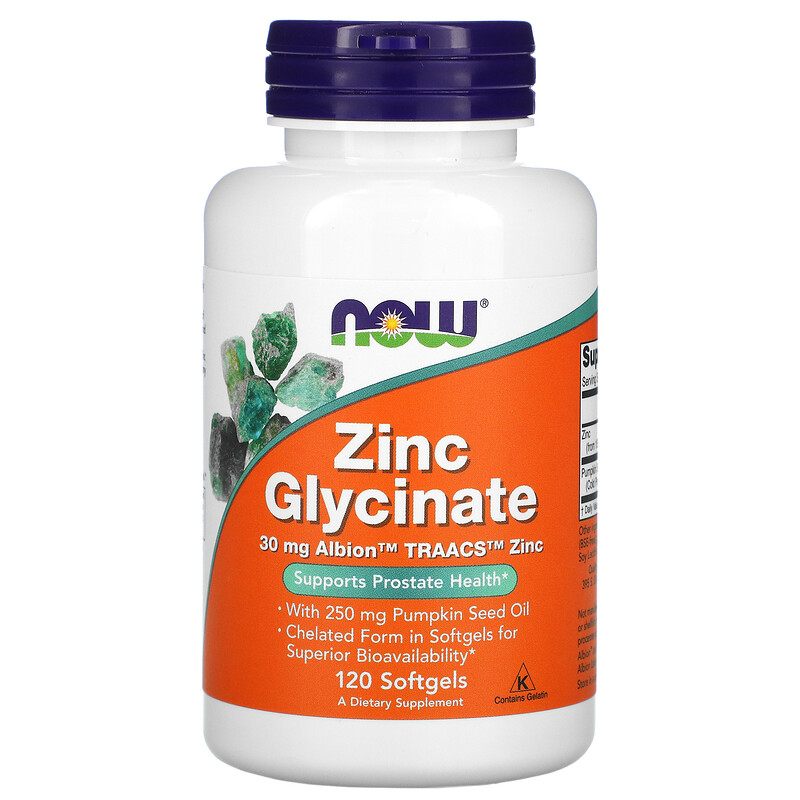
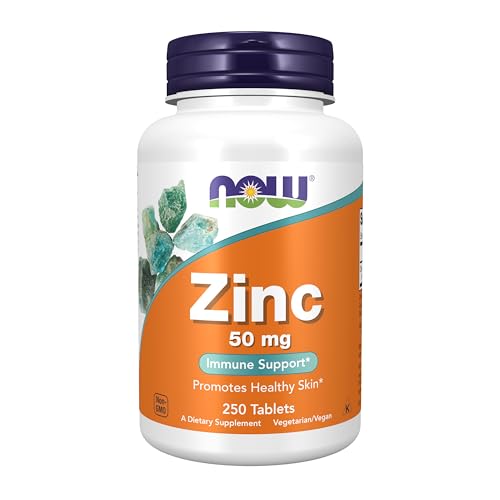
Forms we shortlist. Picolinate 15 mg, picolinate 30 mg, bisglycinate 30 mg, gluconate 50 mg. Lozenges and oxide stay off.
Boundaries. High-dose zinc for long periods can disturb copper status and GI comfort. Lozenges and cold protocols are retailer / clinical territory. Link concerns such as skin or hair only as nutrient indexes.
Outlive: skin — food first, then zinc and vitamin C; hair — food first, then zinc and biotin.
Oysters, red meat, pumpkin seeds, legumes, dairy, fortified grains.
Elemental zinc amount, salt type (e.g. picolinate, gluconate), and copper balance notes.
Live picks
Four lanes: 15 mg picolinate, 30 mg picolinate, 30 mg glycinate, 50 mg gluconate. Copper balance on the high end.
Trace mineral · Live picks
What it is. An essential trace mineral used in enzymes for energy metabolism, connective tissue, iron handling, and antioxidant defense. Adult dietary needs are typically framed around roughly 0.8–0.9 mg per day from food — not a bracelet and not a dosing clinic.
Food first. Organ meats (liver), shellfish, nuts and seeds, legumes, whole grains, and dark chocolate. Keep zinc and copper in rough dietary balance; very high isolated zinc intake can crowd copper absorption.
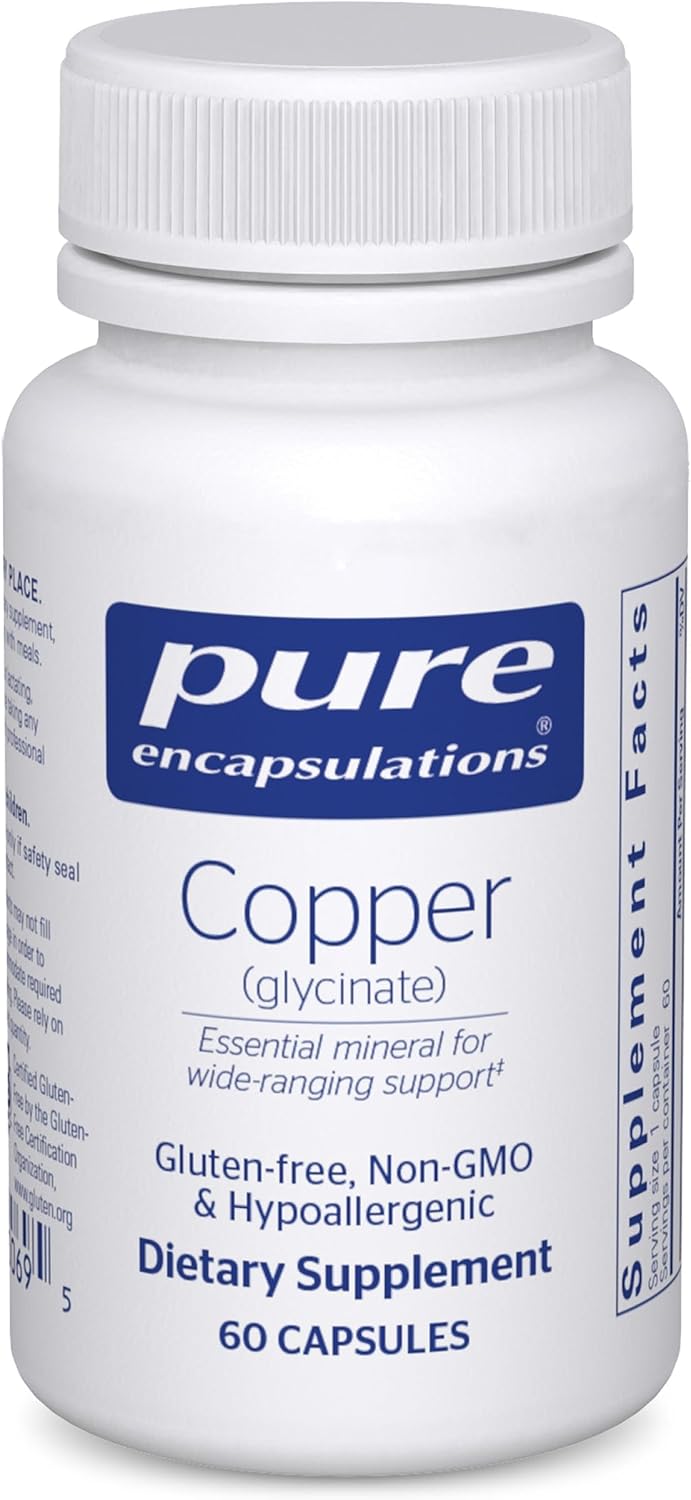
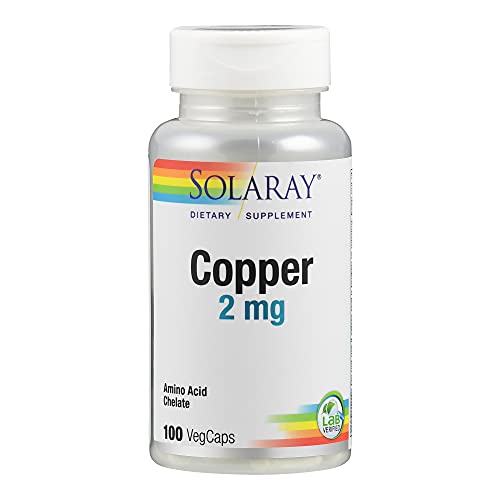
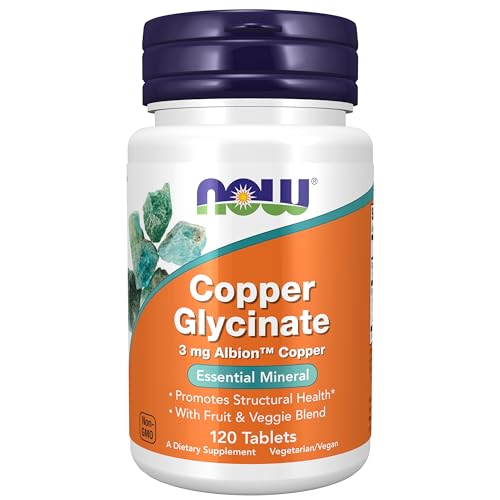
Forms we shortlist. Named chelates at 2 mg, 2.5 mg, and 3 mg. Not vessels. Not jewelry.
Boundaries. Excess copper is not harmless. Wilson disease requires medical copper restriction. Jewelry or vessels are not reliable supplements. Craft shortlists: CytoAura dietary vessels.
Outlive: copper cups — tradition vs evidence · overnight copper water.
Liver, oysters and shellfish, cashews, sesame, legumes, cacao.
Shortlist requires salt name and elemental copper milligrams — food still comes first.
CytoAura Copper for bottles, pitchers, and wearables — not this aisle.
Live picks
Four milligram steps: 2 mg glycinate, 2 mg AAC, 2.5 mg chelate, 3 mg bisglycinate. Vessels stay on CytoAura. Iron stays food-only.
Trace mineral · Food only
What it is. A trace mineral central to hemoglobin and cellular oxygen use. Deficiency and overload are both clinical topics — CytoDaily will not shortlist iron as a casual daily stack without form and caution clarity.
Food first. Heme iron from meat and seafood; non-heme from legumes, fortified grains, spinach. Vitamin C can support non-heme absorption; tea/coffee near meals can reduce it.
Boundaries. Excess iron is toxic. Hemochromatosis and unexplained anemia need a physician, not a cart. Concern indexes such as uterus, hair, and blood vessels never mean iron treats those tissues.
Outlive: hair — food first, then zinc and biotin (iron stays food-only on this aisle).
Red meat, organ meats, shellfish, lentils, fortified cereals, leafy greens with vitamin C pairings.
Elemental iron, salt type, and clinician / lab context must clear editorial review before any buy link.
Keep iron away from unsupervised “energy” stacks. Children’s accidental overdose is a known emergency risk.
Common myths
The same filter for every mineral on CytoDaily.
No. Seven majors (Ca, P, K, Na, Cl, Mg, S) and eight common traces (Fe, Zn, I, Se, Cu, F, Cr, Mo) all have jobs. Different food maps. Different excess notes.
Wrong. Extra calcium and extra iron are not harmless. Iron overload can injure the liver. High calcium and kidney-stone history belong with a clinician. Selenium and fluoride also have toxic ranges. Sodium is usually already too high.
Usually a weak calcium source. Dairy or calcium-set tofu is a clearer dietary path when calcium is the question.
Fruit, vegetables, nuts, and meat, eggs, or dairy first. If a lab shows a gap, replace what is missing with clinician guidance. Do not self-stack calcium, iron, or a kitchen-sink multi.
Trace mineral · Live picks
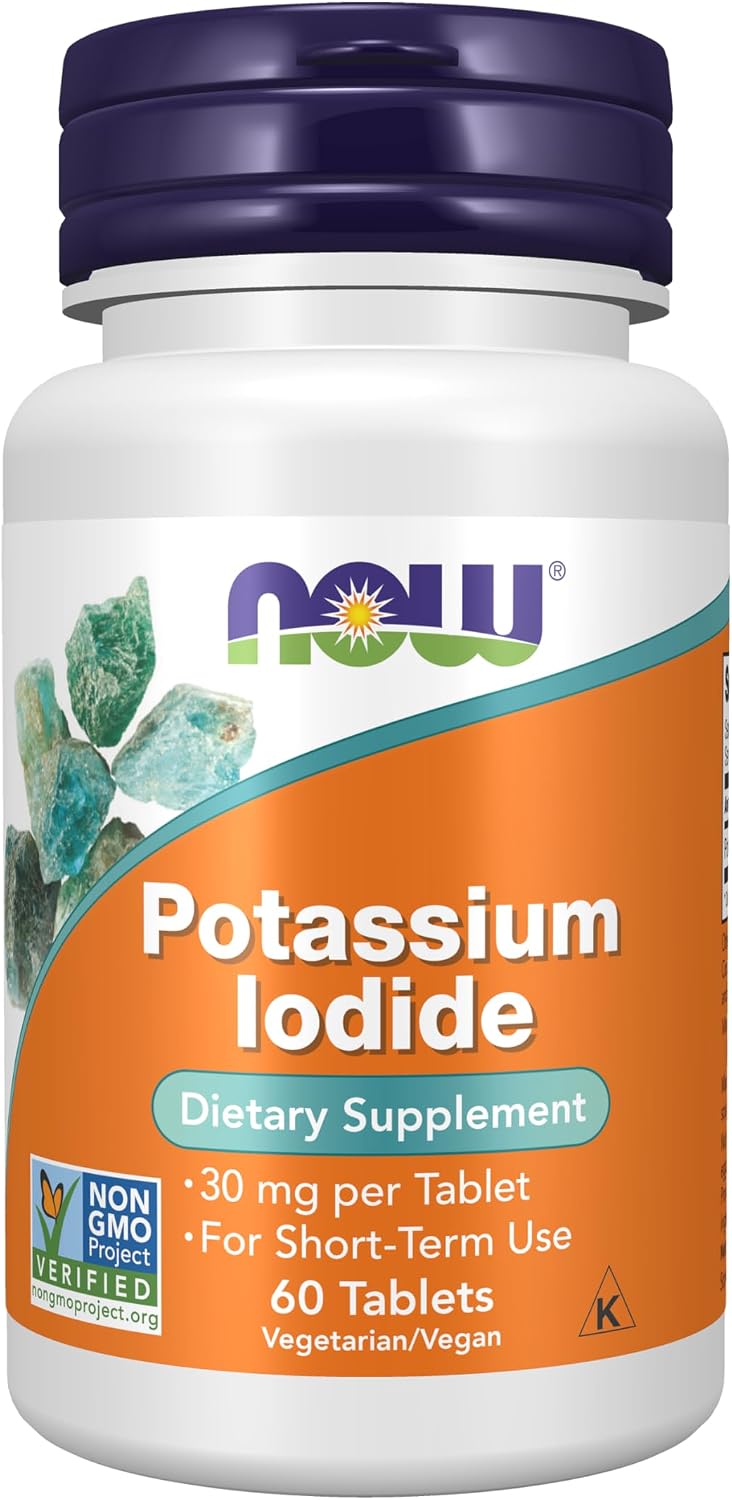
What it is. Iodine is required to make thyroid hormone. Shortlists name potassium iodide vs kelp. Thyroid disease stays clinical.
Food first. Iodized salt, fish, dairy, eggs; seaweed can overshoot.
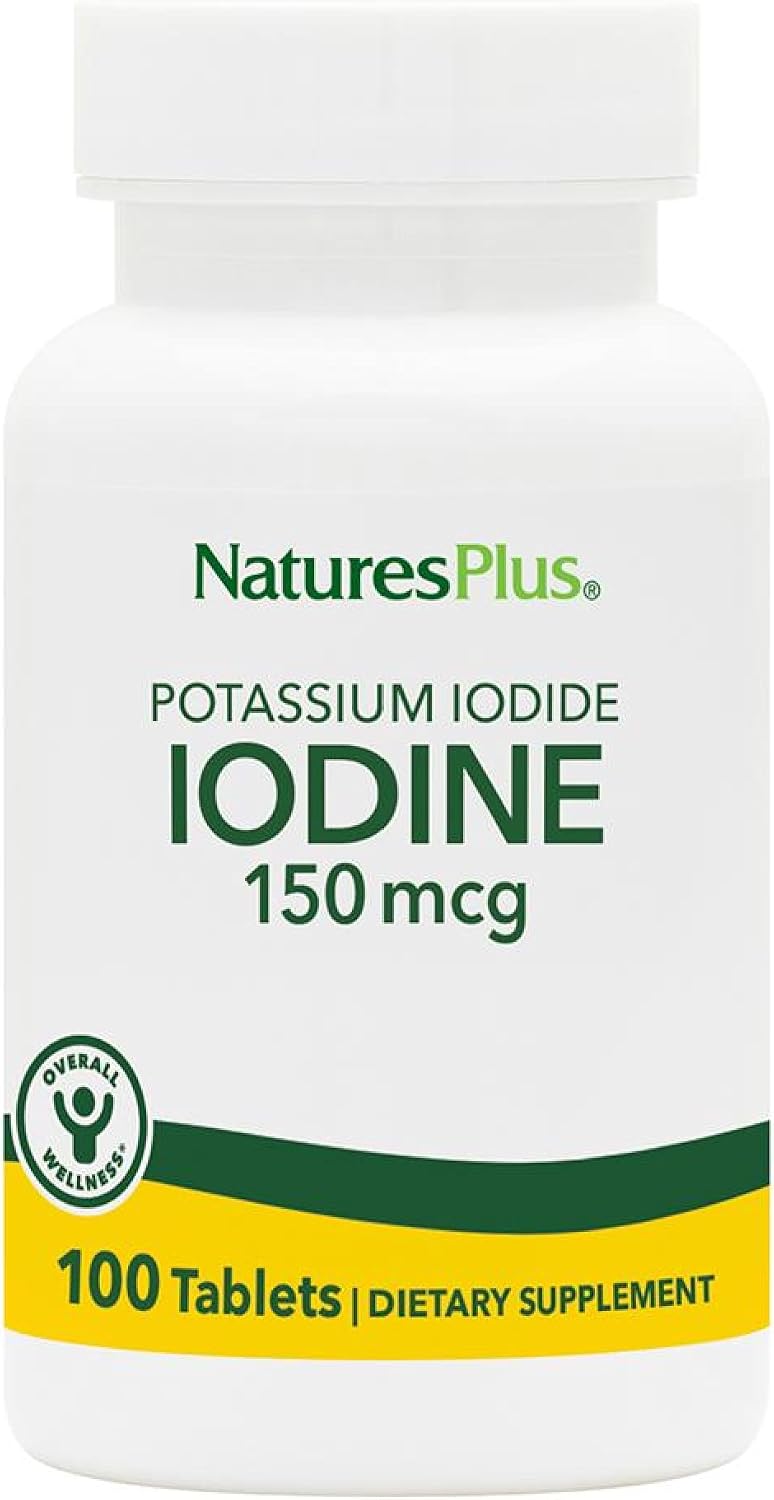
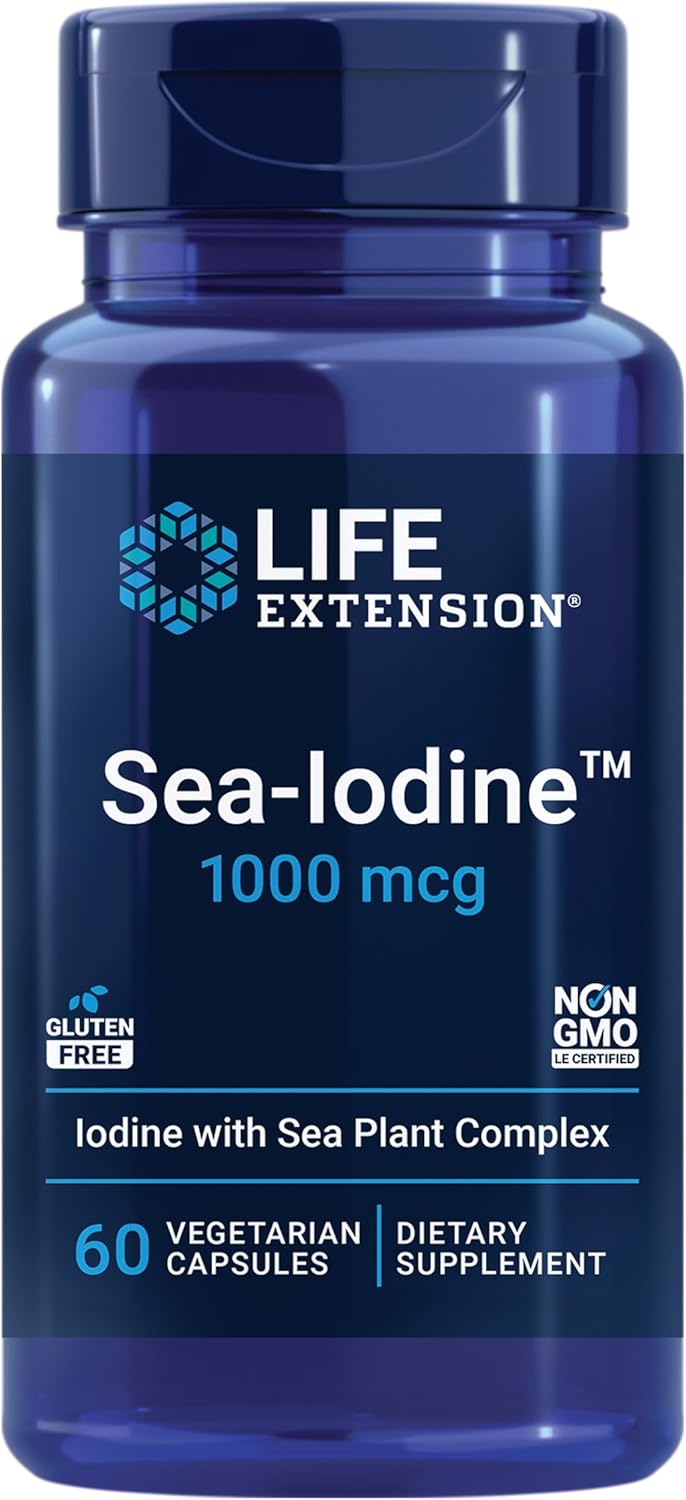
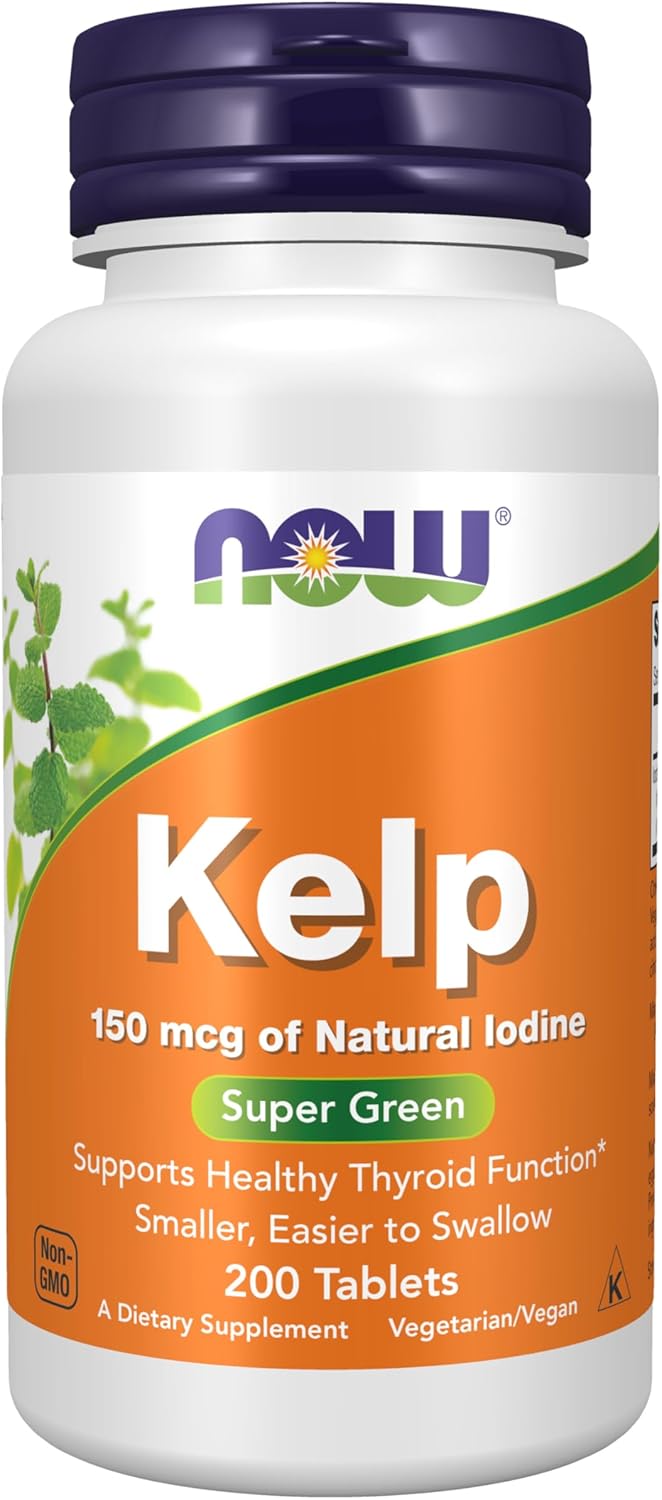
Forms we shortlist. KI 150 mcg, Sea-Iodine 1000 mcg, kelp 150 mcg, and KI 30 mg extreme caution (not daily nutrition).
Boundaries. Goiter and thyroid disease: clinician first. The 30 mg lane is not an everyday tablet. Do not stack all four lanes.
Iodized salt, seafood, dairy, eggs; watch seaweed dose.
KI mcg vs kelp; 30 mg is orders of magnitude above dietary lanes.
Thyroid care — clinician, not a CytoDaily cart.
Live picks
Four form lanes: KI 150, Sea-Iodine 1000, kelp 150, KI 30 mg caution.
Trace mineral · Live picks
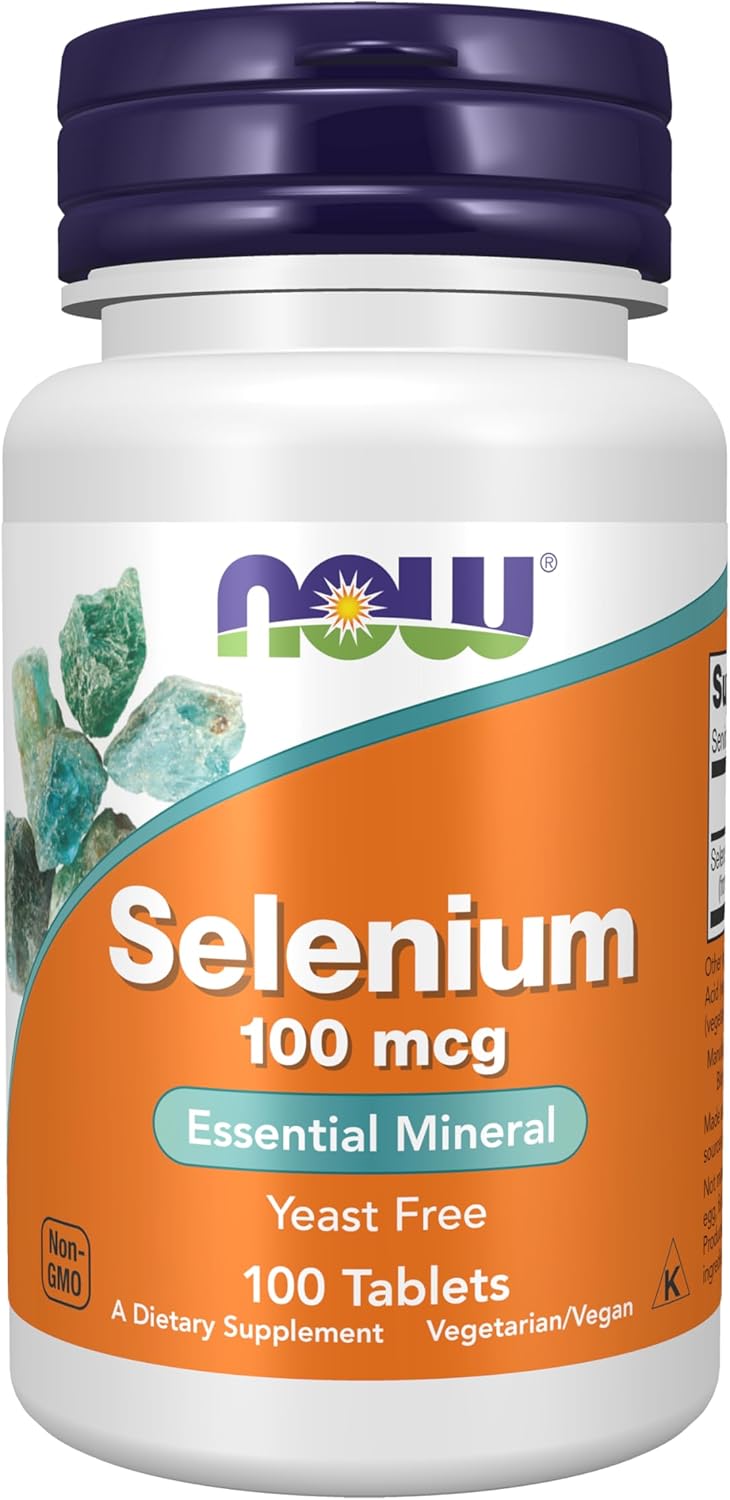
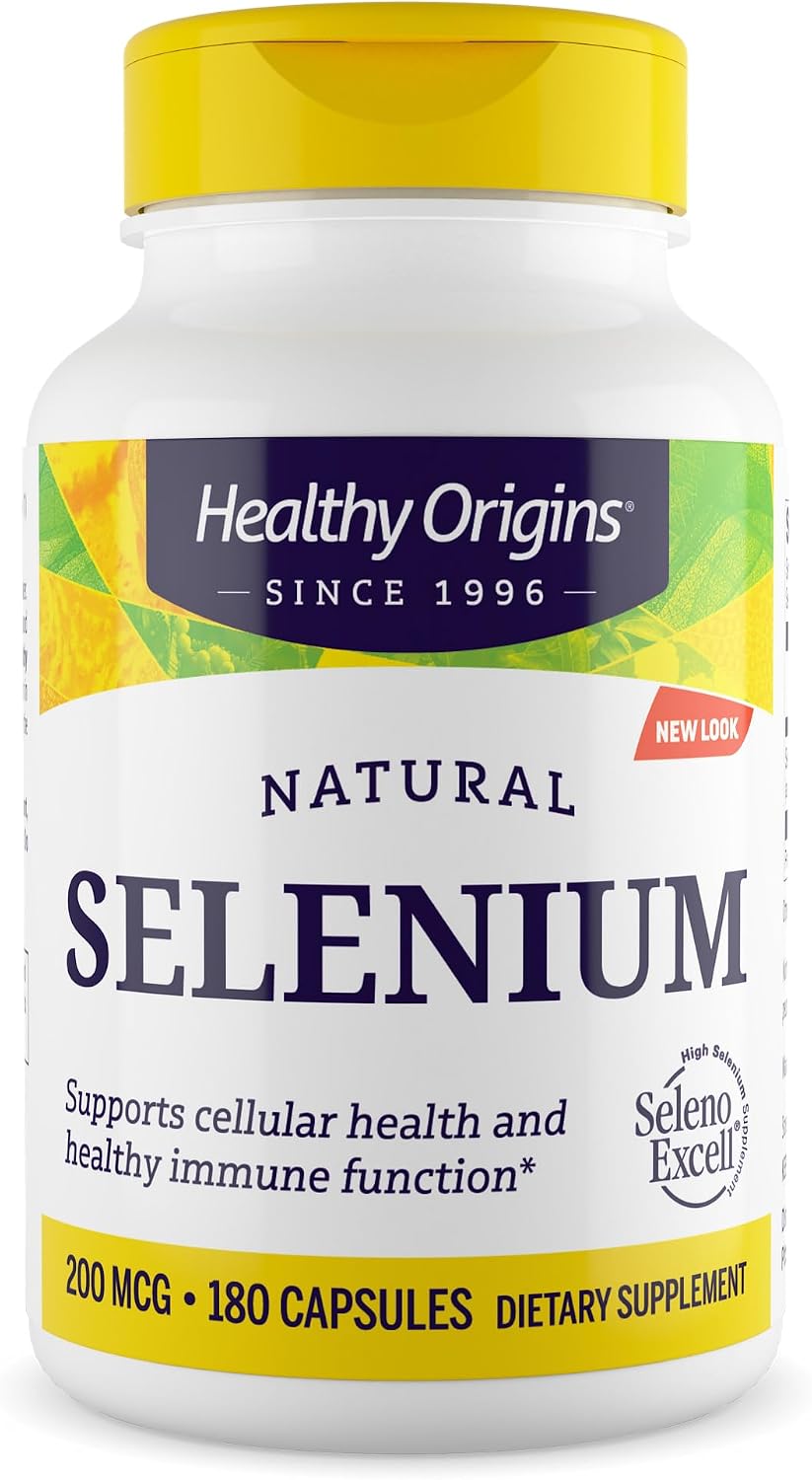
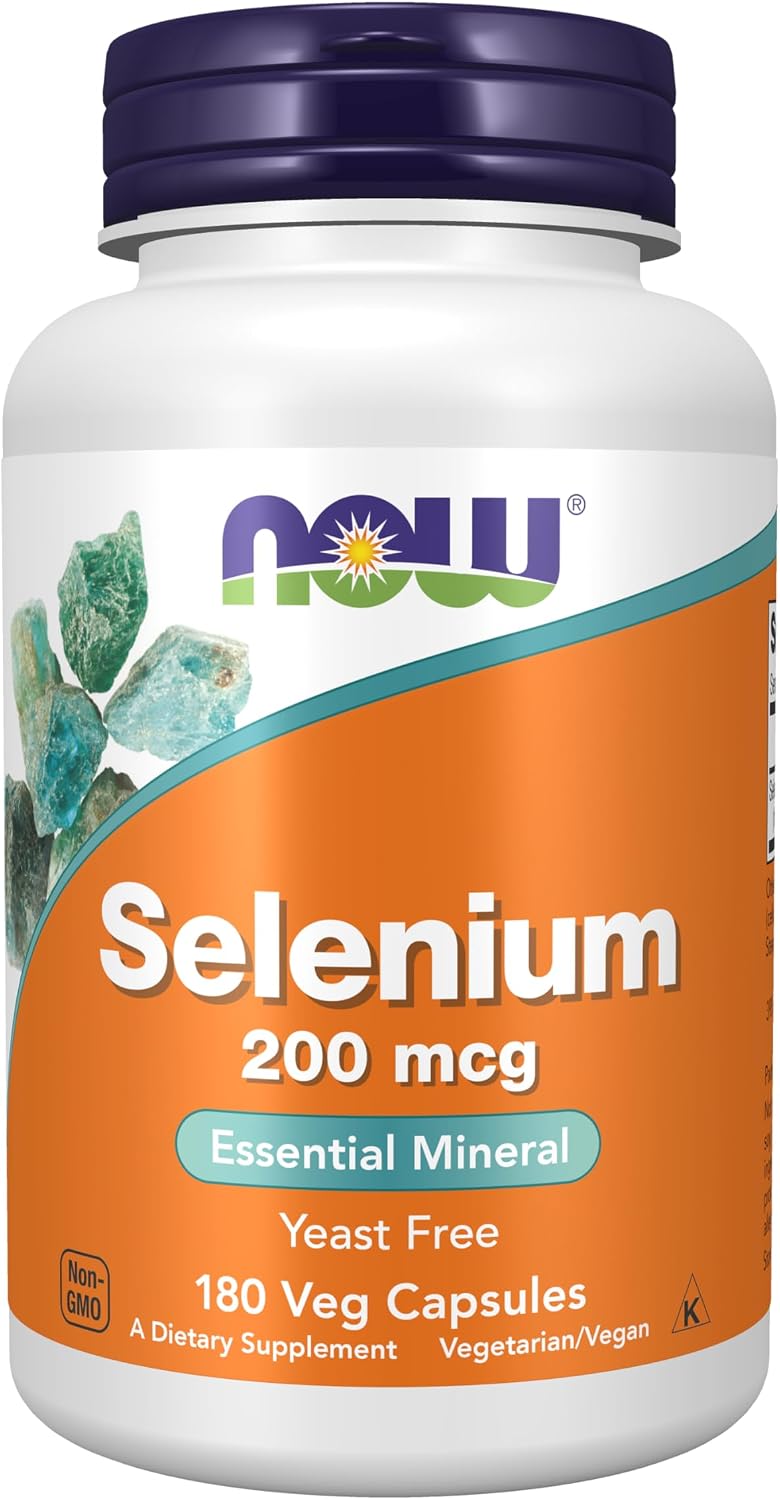
What it is. Selenium supports antioxidant enzymes. Excess is toxic. Not an anti-aging clinic.
Food first. Brazil nuts (one or two can already be a lot), seafood, meat, eggs.
Forms we shortlist. L-selenomethionine 100 mcg, yeast 200 mcg, selenomethionine 200 mcg, and clinical-brand 200 mcg.
Boundaries. Count Brazil nuts before opening a bottle. Do not stack all four lanes.
Brazil nuts, seafood, meat, eggs.
Selenomethionine vs high-selenium yeast; mcg on label.
Thyroid / antioxidant maps — not treatment.
Live picks
Four form lanes: 100 mcg, yeast 200, SeMet 200, Thorne 200.
Trace mineral · Live picks
What it is. Chromium is a trace mineral sometimes mapped next to insulin signaling. This is not a blood-sugar or diabetes aisle.
Food first. Whole grains, broccoli, meat.
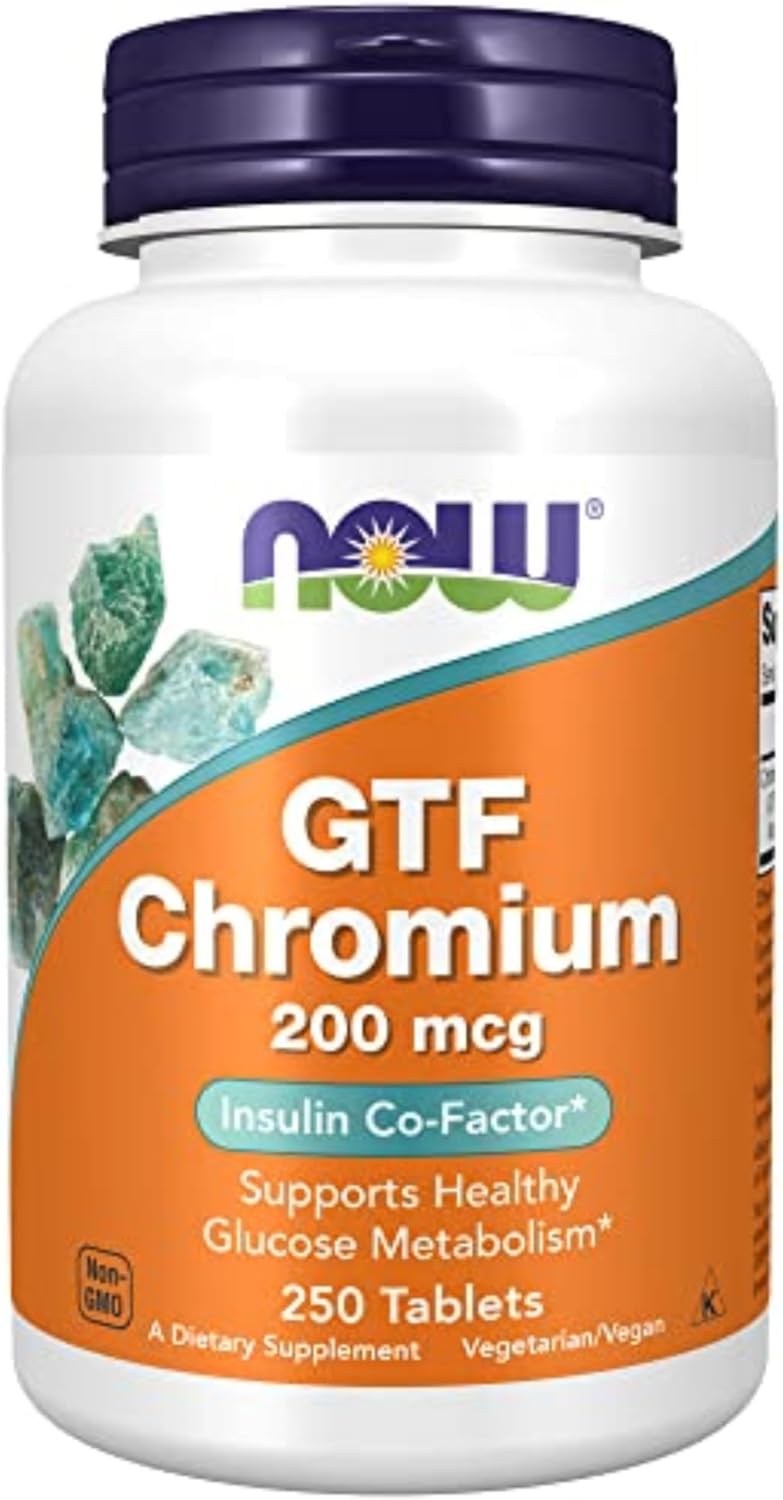
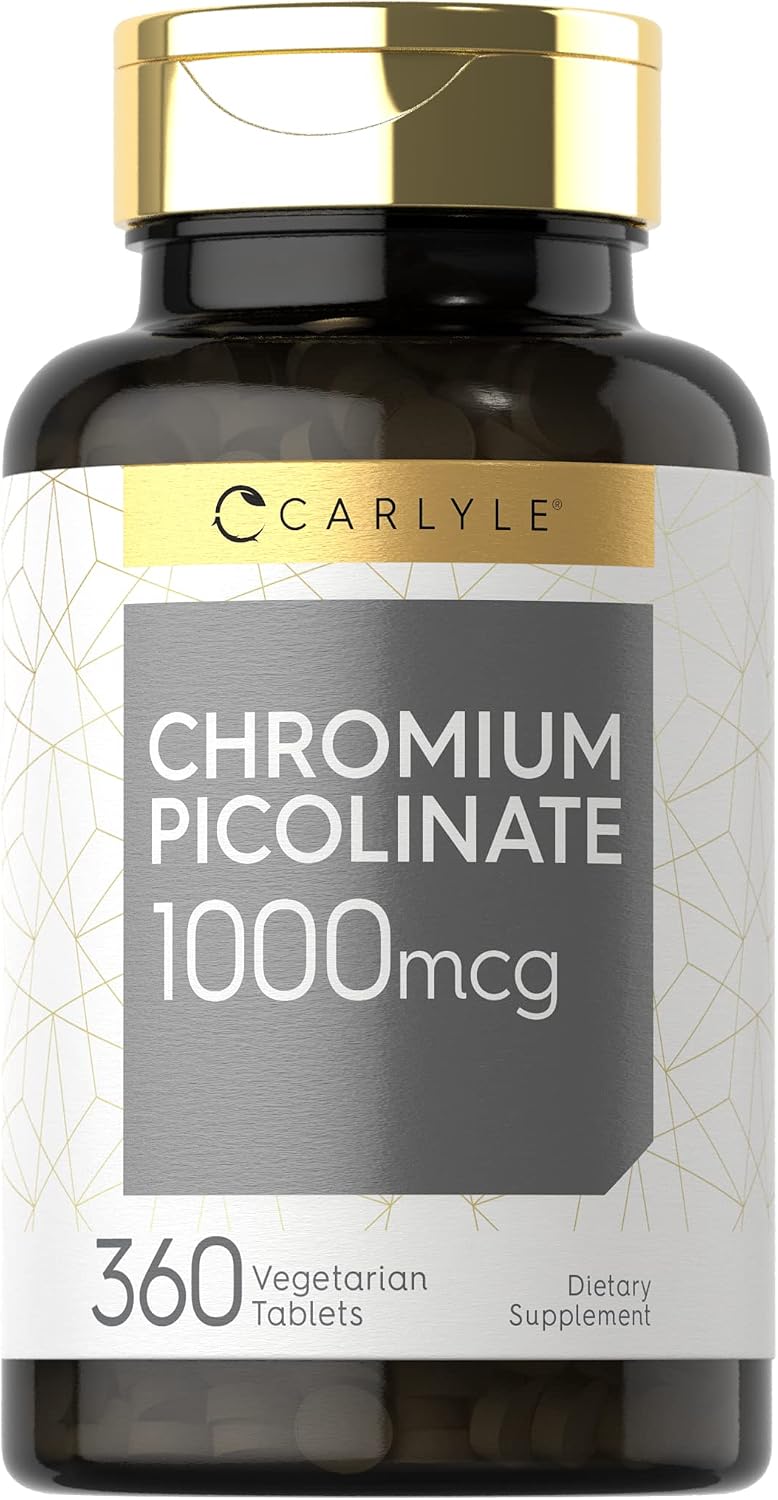
Forms we shortlist. Picolinate 200 mcg, GTF 200 mcg, picolinate 500 mcg, and 1,000 mcg caution.
Boundaries. Seller glucose folklore stays on the listing. Diabetes care is clinical. Do not stack all four lanes.
Whole grains, broccoli, meat.
Picolinate vs GTF / nicotinate glycinate; mcg on label.
Not a diabetes clinic — form honesty only.
Live picks
Four form lanes: picolinate 200, GTF 200, 500 mcg, 1,000 mcg caution.
Trace mineral · Live picks
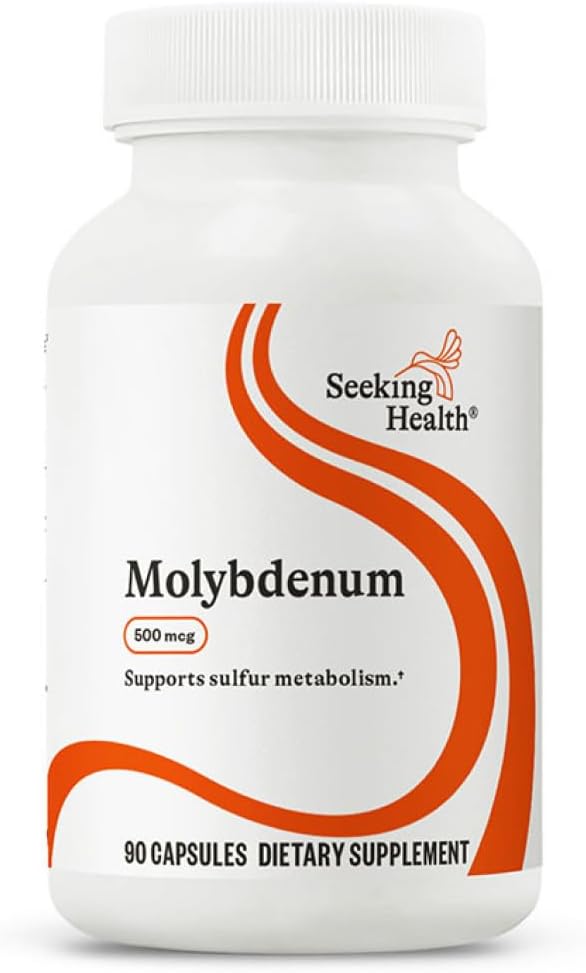
What it is. Molybdenum is a cofactor for a small set of enzymes. Mixed diets rarely fall short.
Food first. Legumes, grains, nuts.
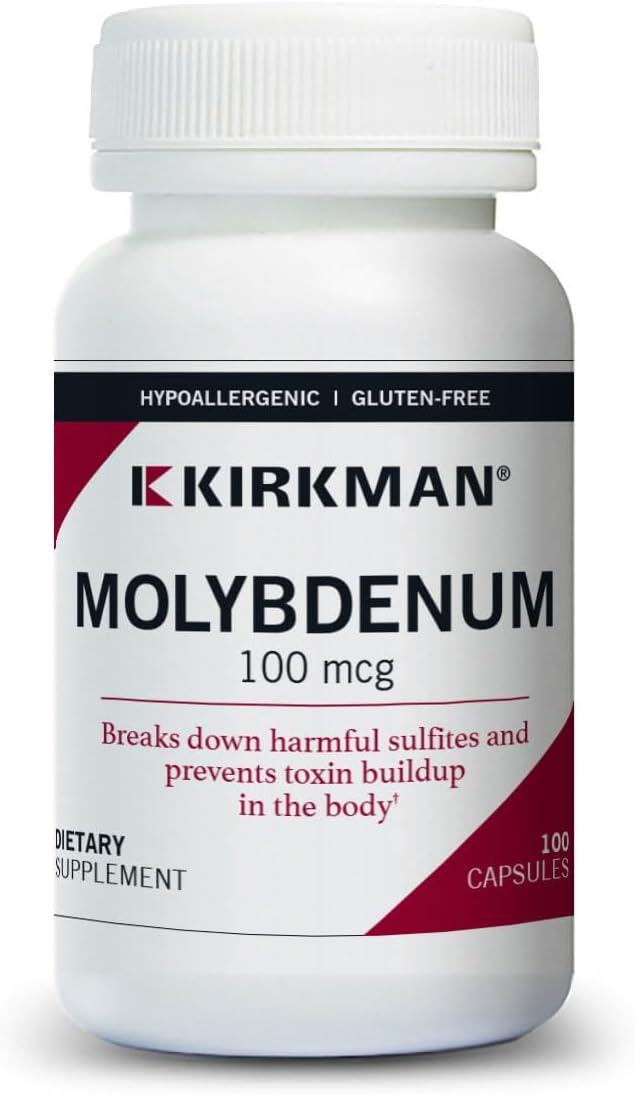
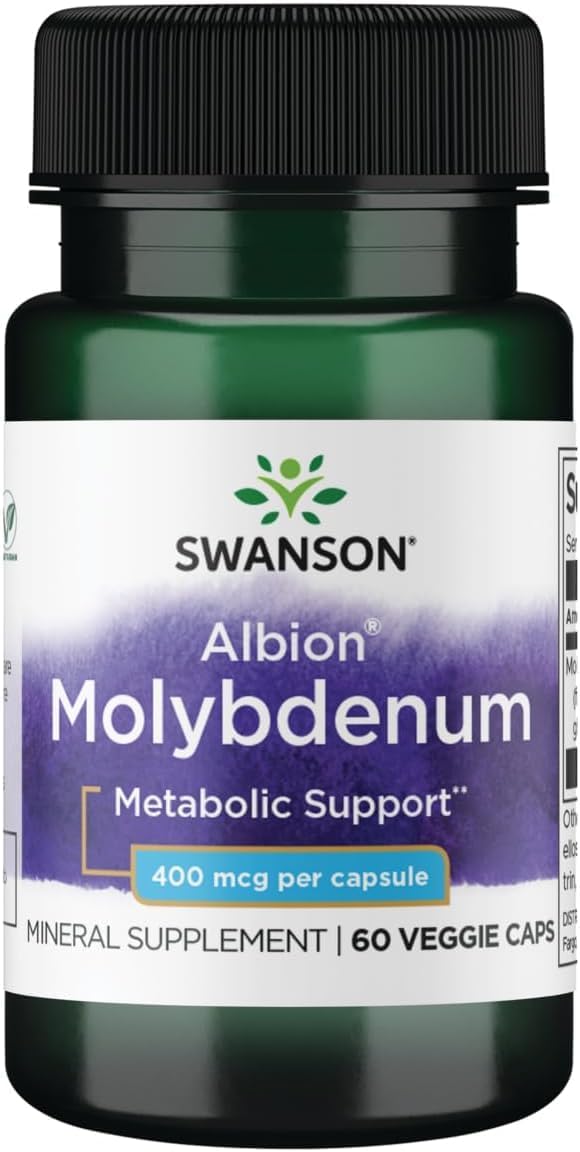
Forms we shortlist. Glycinate 100 mcg, food-form 150 mcg, glycinate 400 mcg, glycinate 500 mcg caution.
Boundaries. Do not chase Mo without a food gap. Do not stack all four lanes.
Legumes, grains, nuts.
Glycinate vs food/enzyme forms; mcg on label.
Rarely needed as a solo capsule on mixed diets.
Live picks
Four form lanes: 100 mcg, 150 mcg food-form, 400 mcg, 500 mcg caution.
How We Choose
We label the seven majors and eight common traces correctly. Calcium and magnesium are major; iron, zinc, and copper are trace. Iodine, selenium, chromium, and molybdenum have live lanes. Iron stays food-only. Fluoride stays off the capsule aisle.
Elemental amount and salt/chelate type must be readable before an affiliate link.
We say when more is not better — copper, iron, sodium, and chronic high zinc especially.
Vessel myths go to Outlive.club. CytoDaily stays on the intake map.
Read the seven-plus-eight map first. Calcium has five form lanes, including a D3+K2 companion stack. Mg, Zn, Cu, iodine, selenium, chromium, and molybdenum have four each. Iron stays food-only. Fluoride stays off capsules. Then open Vitamins.
Open Vitamins